Permanent Makeup Training & Career Entry Guide
From Zero to PMU Artist: A Practical Roadmap Into the Permanent Makeup Industry
Whether you are switching careers, opening your first studio, or sharpening your existing beauty skills, this guide walks you through every step required to train, certify, equip, and earn as a professional permanent makeup artist. Use the table of contents below to jump to the section that fits your situation.
Jump to: Career outlook · Course curriculum · Certification · Apprenticeship vs school · Starter kit · Budget · Pigments · Roadmap
Why Become a Permanent Makeup Artist? Career Outlook & Earning Potential
The permanent makeup industry is one of the few beauty sectors where a motivated beginner can build a six-figure career inside two years, without a four-year degree or a medical background. Demand for microblading, powder brows, lip blush, and scalp micropigmentation keeps climbing as clients look for low-maintenance, long-lasting beauty solutions. Established artists in major cities routinely charge $400 to $1,200 per session, and a steady book of just two to three clients a day, four days a week, easily clears $100,000 a year before retail and training income.
What makes permanent makeup a strong career bet right now
- High revenue per hour. A single ombre brow or lip blush appointment pays as much as a full day of general cosmetology work.
- Flexible schedule. Most artists set their own hours, rent a treatment room by the day, or run a home studio.
- Multiple income streams. Treatments, retail aftercare, advanced training, and educator income can be stacked.
- Repeat clients. Touch-ups every 12-18 months turn one-off customers into a long-term book of business.
- Portable skill. Your permanent makeup training travels with you across cities, states, and countries.
What a Professional Permanent Makeup Training Course Really Covers
A reputable permanent makeup training course is far more than a weekend of watching a machine move across latex. Top-tier curricula blend medical-grade sanitation, skin science, color theory, and dozens of hours of hands-on practice on real clients. Before you book a deposit, scan the syllabus for these six non-negotiable modules.
Skin Anatomy & Color Theory
Understand Fitzpatrick skin types, undertones, and how pigment interacts with the dermis so you can match the right permanent makeup pigment to any client.
Sanitation & Bloodborne Pathogens
OSHA-compliant setup, autoclave use, and bloodborne pathogen certification are required to legally practice and to protect your license.
Brow Mapping & Symmetry
Golden-ratio mapping, face-shape analysis, and string-and-caliper techniques to design brows that flatter every bone structure.
Pigment Formulation & Selection
How to read pigment labels, mix organic and inorganic color bases, and choose stable, skin-safe permanent makeup pigments for healed results.
Machine Setup & Needle Control
Wireless PMU machine tuning, single-needle vs. cartridge selection, depth control, and pressure for ombre, nano, and microblading techniques.
Live Model Practice
Supervised hours on real faces are non-negotiable. Walk away from any course that only offers practice on latex or fake skins.
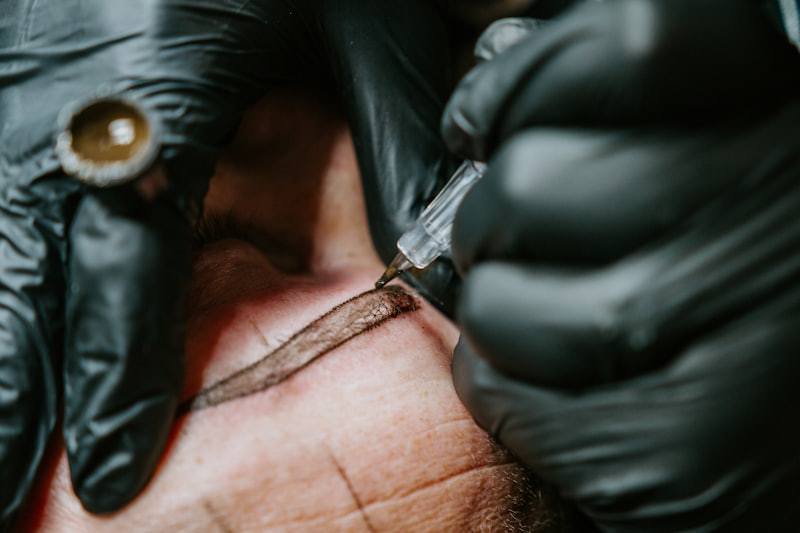
How to Choose the Right Permanent Makeup Training Course: A Curriculum Comparison
Course formats vary more than prices do. A three-day intensive at a private academy teaches a very different skill set than a six-month program at a community college. Use the table below to match the format to your budget, your learning style, and the license you need in your state.
| Training Format | Typical Length | Tuition Range | Best For |
|---|---|---|---|
| Dedicated PMU academy | 3 days to 6 months | $3,500 - $7,500 | Beginners who want to focus 100% on permanent makeup and start earning fast. |
| Cosmetology / esthetician school | 6 months to 2 years | $5,000 - $20,000+ | Students who also want a state esthetics license and broader beauty training. |
| Vocational / technical college | 1 to 2 years | $1,000 - $4,500 | Learners who prefer classroom structure and may qualify for federal financial aid. |
| Apprenticeship under a master artist | 1 to 3 years, flexible | Free to low cost, sometimes paid | Hands-on learners who can invest time, want mentorship, and learn best on real clients. |
| Single-procedure refresher (nano brows, lip blush, removal) | 1 to 2 days | $250 - $2,000 | Working artists who already hold a base PMU certificate and want to add a service. |
PMU Certification Explained: Accredited Certificates & Licensing for Permanent Makeup Artists
Certification is the difference between a hobbyist and a professional. In the United States, the three most recognized national bodies are the Society of Permanent Cosmetic Professionals (SPCP), the American Academy of Micropigmentation (AAM), and SofTap. Each awards credentials that satisfy licensing rules in most states, including the strict regulations in New Jersey, New Hampshire, and Maine.
CPCP - Certified Permanent Cosmetic Professional
The industry-standard credential for permanent makeup. Earning a CPCP requires a 100-hour training program, a current Bloodborne Pathogens certificate, and a passed proctored online exam.
CPTP - Certified Paramedical Tattoo Professional
The first board certification for paramedical tattooing, covering areola restoration, scar camouflage, and skin graft recoloring for medical referrals.
CSMP - Certified Scalp Micropigmentation Professional
Specialized credential for hair-loss clients who want a non-surgical density effect on the scalp using precise permanent makeup pigment deposits.
AAM & SofTap Practitioner Certification
Two additional certifying bodies recognized by state health departments. Both require 100+ hours of instruction followed by a written and practical practitioner examination.
The four-step path from student to certified PMU artist
- 1Complete a 100-hour training program. Make sure your school is approved by SPCP, AAM, or SofTap so your hours count toward certification.
- 2Earn a Bloodborne Pathogens certificate. Required by OSHA for any artist who breaks skin and a hard prerequisite for the CPCP exam.
- 3Pass the proctored online certification exam. The CPCP test covers sanitation, color theory, anatomy, ethics, and a written case review.
- 4Apply for your state body art license and business permit. Local health departments issue the license to operate; SPCP certification speeds up approval.
What certification actually does for your career
- Meets state licensing. CPCP satisfies most state body art laws and is the only credential accepted in NJ, NH, and ME.
- Builds client trust. Clients book certified artists at 20-40% higher rates because they know safety standards are enforced.
- Unlocks medical referrals. Hospitals and plastic surgeons only refer patients to CPTP-certified artists for paramedical work.
- Protects your license. If a dispute ever reaches a health inspector, your certification is your strongest defense.
Apprenticeship vs Beauty School: Which Permanent Makeup Training Path Fits You?
Both paths lead to a chair behind a permanent makeup machine, but they feel very different day to day. Beauty school gives you structure, exams, and a state-recognized diploma. An apprenticeship drops you straight into a working studio where every client is a real lesson. The right choice depends on how you learn, how much runway you have, and how thin your wallet is right now.
Beauty School / Cosmetology Academy
Structured, classroom-based, exam-driven
- Mapped curriculum, licensed instructors, predictable 9-18 month finish line.
- Often qualifies for federal financial aid, scholarships, and income-share agreements.
- Covers theory, sanitation, business basics, and a recognized state diploma.
- Tuition runs $5,000 to $20,000+, plus lost income while you study.
- Mannequin-heavy practice; real-client confidence builds slower.
- Quality varies dramatically between schools; research reviews carefully.
Apprenticeship Under a Master Artist
Studio-based, mentor-driven, client-heavy
- Real-client hours from week one, building muscle memory and bedside manner.
- Often free or low cost; some studios even pay a small wage or tip share.
- Direct mentorship, portfolio building, and a built-in referral network.
- 1 to 3 years of commitment; longer than most school programs.
- Quality is capped by your mentor's skill range and studio traffic.
- Harder to find, not eligible for federal aid, and not recognized in every state.
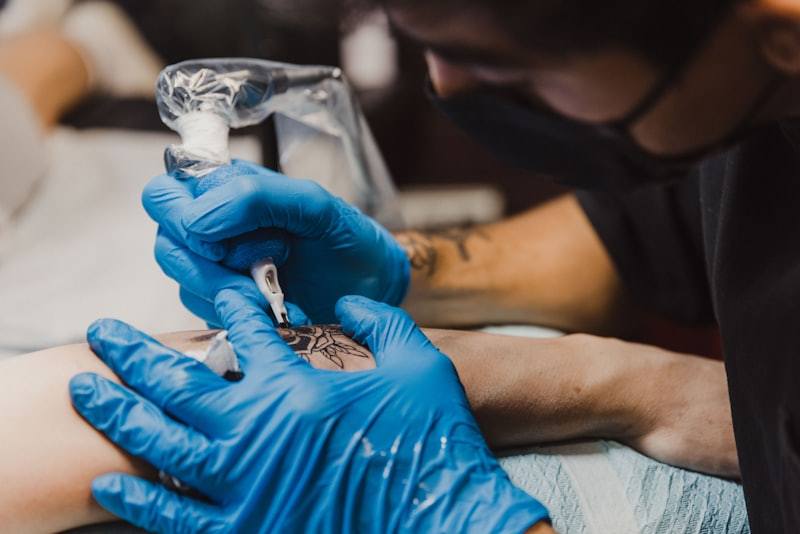
In-Person vs Online Permanent Makeup Training: Pros, Cons & What Employers Value
Online permanent makeup courses exploded after 2020 and they are not going away. The honest answer is that neither format wins outright. Online is unmatched for theory, color theory, and demonstration content; in-person is unmatched for live models, machine feedback, and instructor corrections. The smartest path is a hybrid: theory and demonstrations online, hands-on hours offline.
In-Person Training
Hands-on, in-studio, supervised
- Real machines on real skin with instant instructor corrections.
- Live model practice that counts toward certification hours.
- Built-in networking with classmates, suppliers, and local studios.
- Fixed dates, travel costs, time away from work or family.
- Higher tuition, often $4,000 to $7,500 for a quality program.
Online Training
Self-paced, video-led, theory-first
- Study at your own pace, replay demonstrations as often as needed.
- Lower cost, often $300 to $1,500 for a comprehensive theory track.
- Keeps current income flowing while you study evenings and weekends.
- No tactile feedback on machine pressure, depth, or pigment deposit.
- Most employers and state boards still require documented in-person hours.
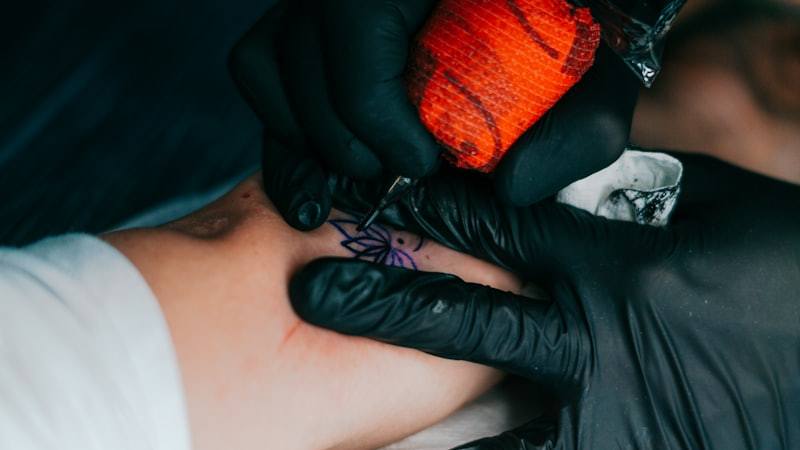
The Complete Permanent Makeup Starter Kit: Equipment, Tools & Pigment Checklist
Your starter kit is the toolbox that travels with you to every appointment. Quality matters more than quantity here: a small, well-curated kit of professional gear will out-perform a giant bundle of cheap tools for years. Below is the checklist that quality academies hand to new graduates, including the pigment category that quietly decides whether your results heal beautifully or fade unevenly.
1. Wireless PMU Machine
A pen-style rotary machine with adjustable speed and voltage. Cartridge-compatible models let you swap needles mid-procedure without rebalancing.
2. Needle Cartridges (1RL, 3RL, 5RL, Nano)
Stock 1RL for nano hair strokes, 3RL for soft shading, and curved magnum cartridges for ombre powder brows. Always single-use, EO gas sterilized.
3. Professional Permanent Makeup Pigments
Choose a brand with full safety documentation, vegan or mineral formulations, and a full tonal range. Premium pigments heal truer to color and last longer between touch-ups.
4. Color-Mixing Palette & Ring Cups
Disposable pigment rings let you mix custom shades for cool, warm, or neutral undertones without contaminating the original bottle.
5. Topical Anesthetics (Cream + Gel)
Pre-numbing cream and intra-procedure gel keep clients comfortable across the full appointment. Stock both water-based and oil-based options.
6. Brow Mapping Tools
Mapping string, caliper, micro ruler, and white gel pencil for accurate brow design before the needle ever touches the skin.
7. Single-Use Consumables
Disposable gloves, mascara wands, brow razors, cotton pads, and barrier film. Never reuse anything that touches pigment or skin.
8. Sterilization Station
Autoclave or dry-heat sterilizer for metal tools, plus a UV cabinet for handpieces. Required by health inspectors in most jurisdictions.
9. Photography & Lighting Kit
Ring light, color-calibrated smartphone camera, and a consistent before-and-after protocol. Your portfolio lives and dies on photo quality.
10. Aftercare Retail Line
Healing balm, fragrance-free cleanser, SPF, and printed aftercare cards. Retail aftercare boosts your per-client revenue and improves healed results.
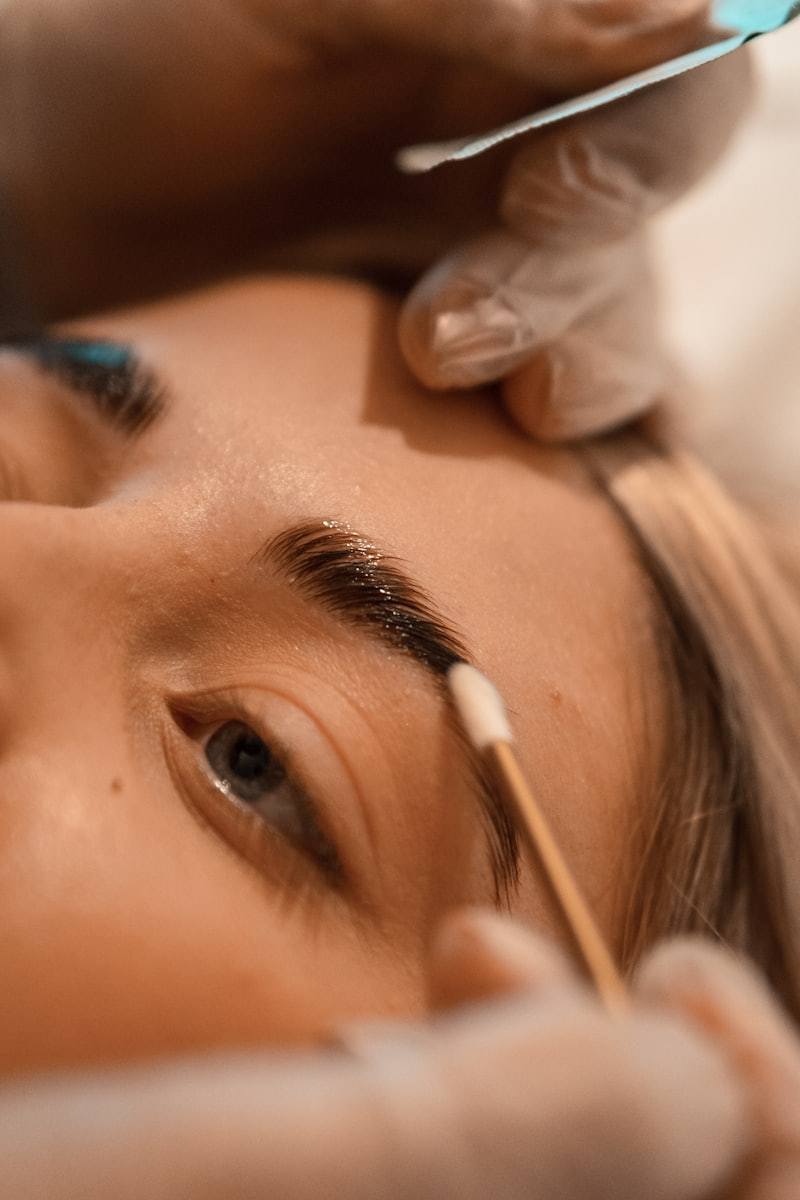
PMU Training Cost & Budget Planning: What You Will Really Spend
The advertised tuition is rarely the full number. Realistic budgeting accounts for training, kits, models, licensing, insurance, and marketing. Most working artists spend between $4,500 and $12,000 before earning their first paying client, and recoup the investment within the first 30-50 treatments.
$2,500 - $4,000
Bootcamp-style, fast track
- 2-3 day intensive course
- Basic machine + starter pigments
- Online theory modules
- Latex practice only
$4,000 - $7,500
Most working artists started here
- 4-6 week course with full theory
- Premium machine + full pigment set
- Live model hours included
- Business and marketing modules
- Counts toward CPCP eligibility
$7,500 - $15,000+
Career-launch investment
- 6+ months of advanced training
- Multi-procedure certification
- 1-on-1 mentorship and shadow days
- Studio launch support and licensing help
- Highest refund-to-income ratio
Why Professional Permanent Makeup Pigments Define Your Long-Term Results
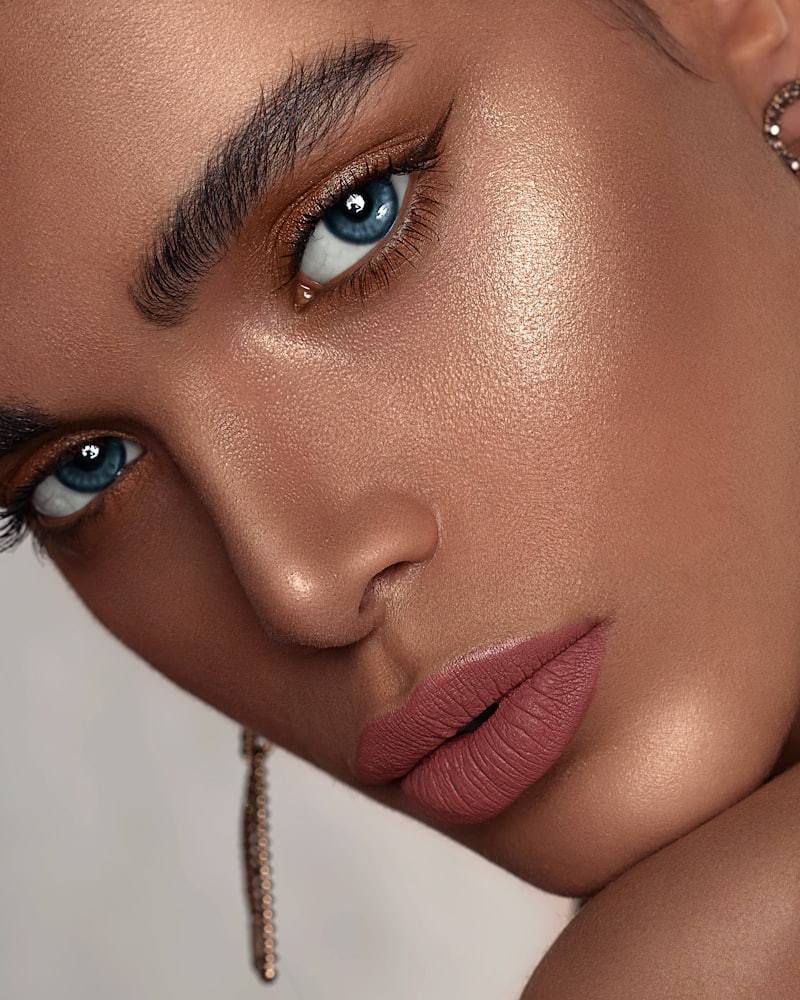
Technique gets the pigment into the skin. The pigment itself decides what your client sees twelve months later. Cheap colorants shift to orange, gray, or blue as they heal; premium permanent makeup pigments are formulated with stable iron oxides, titanium dioxide, and modern organic bases that hold their tone across sun exposure, exfoliation, and the natural immune response of the dermis.
UV & Oxidation Stability
Mineral-rich bases resist fading under real-world sun, sweat, and skincare acids far longer than economy pigments.
Safety-First Formulation
Each batch is patch-tested, heavy-metal screened, and documented to FDA and EU cosmetic standards for client peace of mind.
Full Tonal Range
From cool ash blondes to deep espresso brunettes and warm auburns, every client finds a natural match without forced mixing.
Fewer Touch-Ups, Higher Retention
Stable pigment chemistry means clients return for annual refreshes instead of emergency color corrections - and they refer friends.
As a manufacturer with over a decade of pigment development, we supply academies, apprenticeship studios, and working artists worldwide. Request a color card or wholesale pricing through our inquiry form.
Your Roadmap: From Student to Certified PMU Artist
You have the curriculum options, the certification pathway, the equipment list, and the budget reality. The last step is putting them on a timeline. Most career-launch artists follow this five-step roadmap and start booking paying clients within 90 days of finishing training.
- 01
Finish a 100-Hour Approved Training Program
Pick the format that fits your learning style and budget from the comparison above. Lock in a school recognized by SPCP, AAM, or SofTap so your hours transfer to a CPCP credential.
- 02
Pass the CPCP Exam and Earn Your Bloodborne Pathogens Certificate
Both are required before you can legally practice in most states. Schedule the proctored online exam within 30 days of finishing training while the material is fresh.
- 03
Apply for Your State Body Art License and Insurance
Contact your local health department for the License to Operate a Body Art Establishment and bind a professional liability policy. Keep both renewals on your calendar.
- 04
Invest in a Professional Permanent Makeup Pigment & Equipment Kit
Buy once, cry once. A premium wireless machine, a full pigment range, and proper sterilization tools are the foundation of every healed result you will ever post.
- 05
Build a Portfolio and Book Your First Ten Real Clients
Document every model session in consistent lighting. Launch a Google Business Profile, claim your Instagram handle, and offer discounted launch pricing to fill your first month of appointments.
Frequently asked by new permanent makeup artists
Do I need a medical background to become a permanent makeup artist?
No medical degree is required. You do need a high school diploma or GED, a completed 100-hour training program, a Bloodborne Pathogens certificate, and a state body art license where applicable. Tattoo artists often cross-train into permanent makeup with the shortest path.
How long does it take to break even on PMU training?
Most artists recoup their training investment within 30 to 50 paying appointments. At an average ticket of $500 to $700, that is roughly two to four months of consistent part-time work after certification.
What if a client reacts to the permanent makeup pigment?
Patch-test every new client 48 to 72 hours before the full appointment, especially if they have sensitive skin or a history of allergic reactions. If a reaction occurs, document it, remove the pigment with a saline solution if needed, and refer severe cases to a dermatologist.
Is permanent makeup regulated differently in every state?
Yes. Some states treat permanent makeup as a body art procedure that requires a health department license, others regulate it under cosmetology, and a handful have no specific rules yet. Always check with your state board before you start advertising services.
Can I learn permanent makeup online only?
You can learn the theory online, but most state licensing boards and the SPCP still require documented in-person hours on live models. Use online courses for color theory, sanitation, and demonstrations, then book a focused in-person lab for the hands-on hours.
Ready to Start Your Permanent Makeup Career?
Whether you are choosing your first training course or upgrading to a pigment line your clients can trust, we are here to help. Reach out for wholesale pigment pricing, training academy partnerships, or technical support from our team.
- 10+ years of pigment development
- Trusted by academies and artists in 40+ countries
- ISO-aligned production and heavy-metal screening
Continue exploring: Lip PMU Guide · PMU Removal & Rework Guide · OEM Supplier Hub · PMU Business & Studio Guide · PMU Market Trends 2026 · About CharmingTattoo · PMU Training Blog · Contact Our Team