Heal Your Permanent Makeup Pigment the Right Way
A complete hub for the days, weeks and months after your PMU appointment — covering daily recovery, do's and don'ts, the safest skincare products, faster-healing techniques, complication signs to watch for, and the right time to book your touch-up.
Why Aftercare Decides the Final Result of Your Permanent Makeup Pigment
The artist controls the procedure, but aftercare controls the pigment. The skin treats freshly deposited pigment as a controlled wound, so anything that overheats, scratches, soaks, exfoliates, or contaminates the area can pull pigment out or push it deeper than intended. Good aftercare protects pigment retention, evenness, softness, and long-term color.
Poor aftercare, on the other hand, can lead to uneven healing, premature fading, scab lift-off, infection, or the need for extra sessions. The procedure creates the foundation. Healing reveals the result. Aftercare protects it.
- Pigment retention depends on the first 14 days
- The "ghost phase" between week 2 and 4 is normal — colour returns
- Skincare choices in month 1 affect fade for years
- Touch-ups exist for a reason — even great work needs a perfecting pass
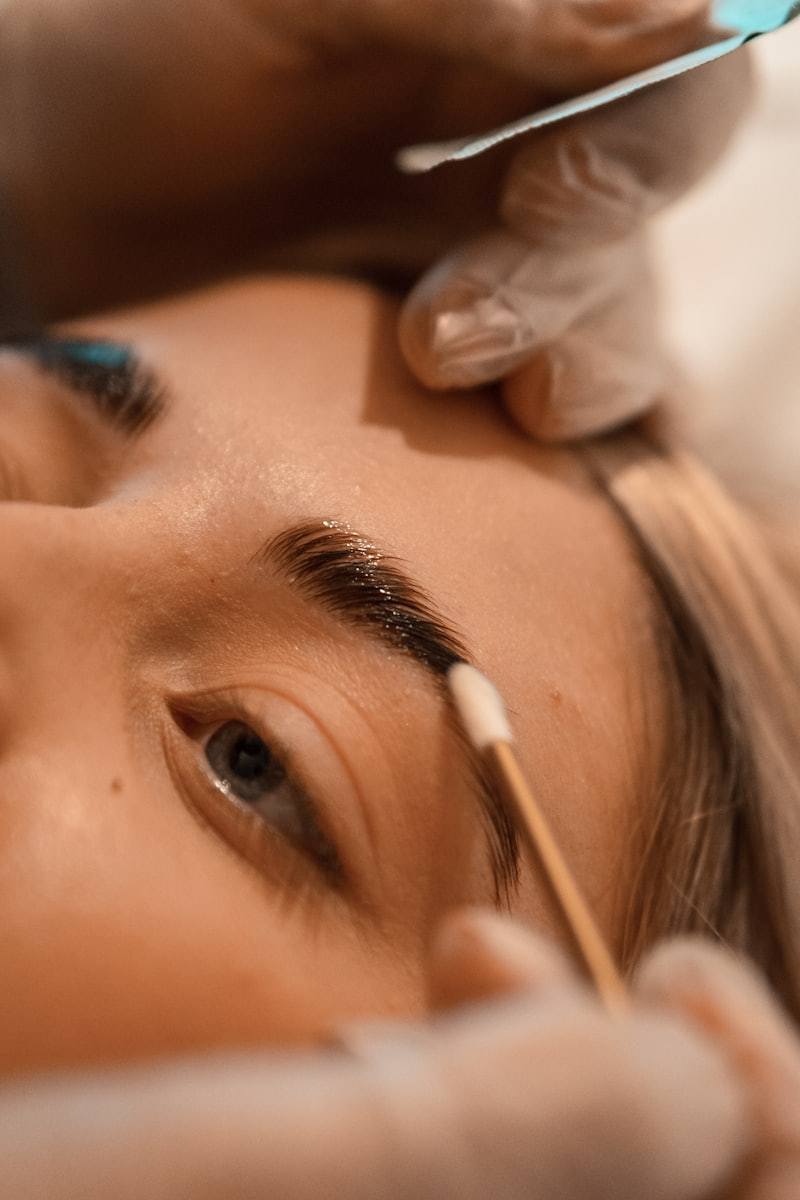
Permanent Makeup Pigment Healing Timeline: What to Expect Week by Week
Every artist has a slightly different protocol, but the biology of pigment settling is consistent. Use this week-by-week guide to know what is normal and when to act.
Inflammation
Colour looks 30-50% darker than the final result. Mild redness, tenderness and swelling are normal. Blot lymph fluid every 30 minutes for the first 2-3 hours so it doesn't form a thick scab that pulls pigment out.
Flaking Begins
Light, dry flaking starts. Brows, lips or liner may look patchy. This is the epidermis regenerating. Do not pick, peel, scratch or apply makeup on the area.
Peeling & Lightening
Flakes fall off on their own. Pigment now looks much lighter than day 1 — this is the temporary "ghost phase", not a failure. Avoid active skincare, sun, gym and pools.
Settling
New skin matures and thins. Colour gradually re-emerges. Most swelling and tightness has resolved. Continue gentle care only.
Final Result
True pigment colour, shape and density are visible. This is when the artist can honestly evaluate the work and decide if a touch-up is needed.
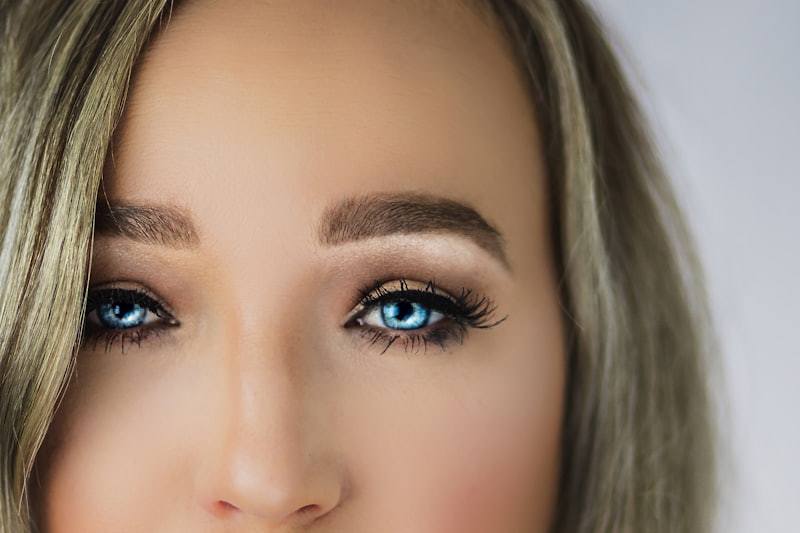
By week 6-8 your permanent makeup pigment settles into its true colour — softer, even and natural.
Your Daily Permanent Makeup Pigment Recovery Care Routine
Repeat this routine twice daily for the first 7-10 days, then taper to once daily until your artist clears you for normal skincare.
Cleanse Gently
Wash hands first. Use a fragrance-free, alcohol-free cleanser on a damp cotton pad. Pat — never rub — across the treated area. Rinse with lukewarm water and pat dry with a clean tissue.
Apply a Rice-Grain of Balm
Less is more. Use a PMU aftercare balm or a thin occlusive such as a petroleum-free alternative. A heavy layer suffocates the skin and can lift pigment.
Keep Hands Off
No touching, no rubbing, no makeup on the area, no phone pressed against the face. Bacteria from fingers is the leading cause of post-PMU infection.
Protect From Heat & Sun
Skip the gym, sauna, hot shower, swimming pool and direct sun for at least 7-10 days. UV fades fresh pigment faster than almost anything else.
Sleep Smart
Sleep on your back the first few nights. Use a clean pillowcase and avoid pressing the treated area into the pillow.
Wait Before Normal Skincare
No retinol, AHAs, BHAs, vitamin C, exfoliants, or fragrance products on the area until fully healed (typically 4 weeks). Reintroduce actives one at a time.
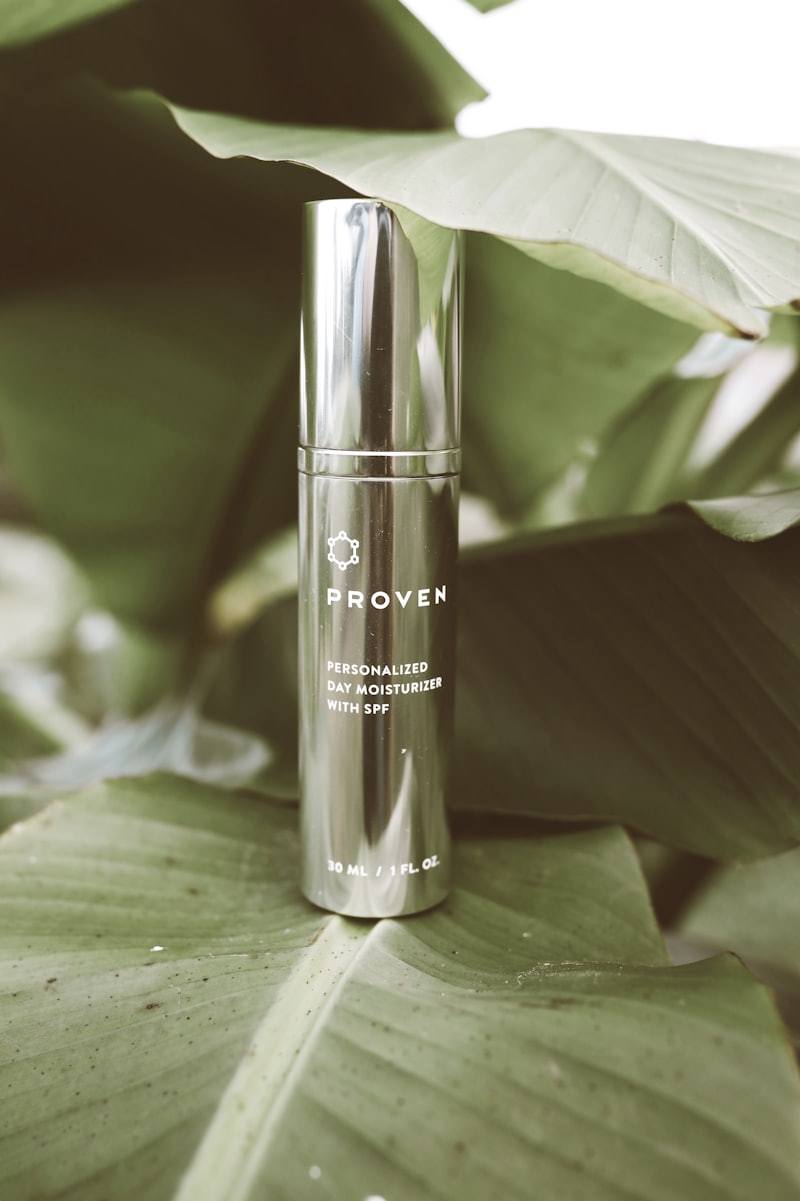
Choose fragrance-free, alcohol-free moisturizers around healing permanent makeup pigment.
Permanent Makeup Pigment Aftercare: Do's and Don'ts
- Blot lymph fluid in the first 2-3 hours
- Apply a rice-grain thin layer of aftercare balm 2-3x/day
- Wash hands before any contact with the area
- Use a fresh pillowcase and sleep on your back
- Drink water and eat protein-rich foods to support healing
- Schedule your touch-up window with your artist in advance
- Wear a hat or physical barrier outside (sunscreen only after week 4)
- Pick, peel, scratch or pull off flakes
- Apply Neosporin or antibiotic ointments (can pull out up to 40% of pigment)
- Use coconut oil, Vaseline or thick occlusives on day 1
- Wear makeup, brow pencil or lip colour on the area for 7-10 days
- Soak the area: pool, sauna, hot tub, long shower, ocean
- Sweat heavily: gym, hot yoga, running for the first week
- Use retinol, AHAs, BHAs, vitamin C or exfoliants on the area
- Judge the final result before week 6
Skincare Products Safe for Permanent Makeup Pigment Healing
The right product list can shorten healing and lock in pigment. Stick to fragrance-free, alcohol-free, dye-free formulas designed for compromised skin.
Panthenol (Pro-Vitamin B5)
A go-to PMU aftercare active. Helps maintain skin-barrier integrity, calms redness and supports hydration in freshly pigmented skin.
Calendula & Centella
Botanical extracts with anti-inflammatory properties. Reduce swelling and itching during the flaking window without irritating pigment.
Hyaluronic Acid Serum
Hydrates without occluding. Apply once flaking has stopped to keep the new skin supple while pigment continues to settle.
Mineral SPF 30+ (After Week 4)
Once fully healed, daily mineral sunscreen is the single biggest factor in keeping PMU colour true and preventing premature fade.
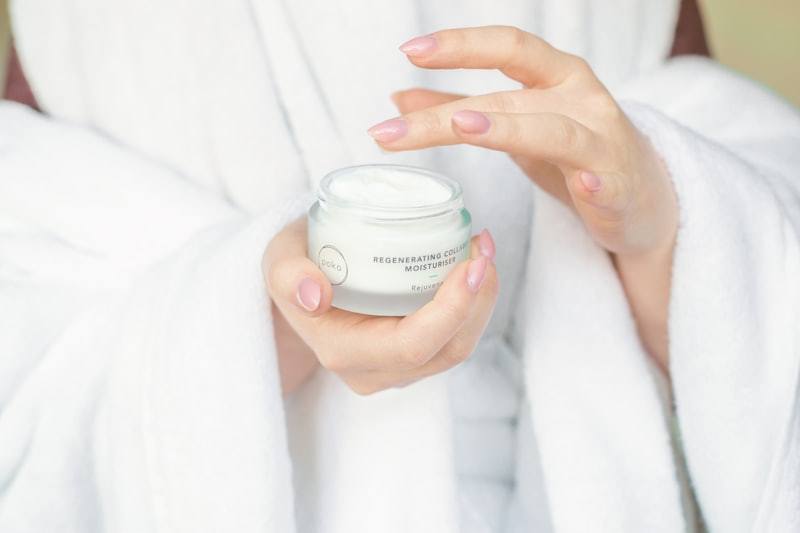
A PMU-specific aftercare balm — thin layer, 2-3 times daily, for the first 7-10 days.
Avoid These Common "Helpful" Products
- Neosporin & antibiotic ointments — can pull up to 40% of fresh pigment out of the skin
- Coconut oil & heavy occlusives — clog the healing skin and lift colour
- Vaseline on day 1 — suffocates the skin and traps lymph under the pigment
- Retinol, AHA, BHA, vitamin C scrubs — chemically exfoliate pigment before it settles
- Alcohol-based or fragrance toners — sting, dry and inflame healing tissue
7 Proven Tips to Speed Up Permanent Makeup Pigment Healing
Hydrate From the Inside
Drink 2 litres of water a day. Hydrated skin heals faster and holds pigment better than dehydrated skin.
Sleep Elevated the First 3 Nights
An extra pillow reduces overnight swelling, especially after lip blush and eyeliner procedures.
Skip the Gym for 7 Days
Sweat expands pores, lifts pigment and feeds bacteria. Plan your workout calendar around your appointment.
Use a Humidifier
Dry indoor air delays peeling. A bedroom humidifier keeps the new epidermis from cracking prematurely.
Take a Vitamin C Supplement
Vitamin C supports collagen synthesis. Avoid applying it topically — take it orally during the first 2 weeks.
Blot, Don't Wipe
For the first 3 days, blot the area with a clean tissue instead of wiping. Wiping can smear fresh pigment.
Trust the Ghost Phase
The mid-healing fade is biology, not failure. Pigment re-emerges as the skin matures. Do not panic-book a corrective session before week 6.
Permanent Makeup Pigment Complications: How to Spot and Handle Them
Most discomfort in the first 72 hours is normal healing. Abnormal signs need fast action — they can threaten both your pigment result and, in rare cases, your health.
Call your artist or a clinician if you notice:
- Redness that spreads or darkens past day 3
- Swelling that worsens after day 3, especially around eyes
- Yellow, green or thick pus discharge
- A foul or sour smell from the treated area
- Throbbing pain that disrupts sleep
- Fever, chills or hot skin at the site
- Rash, hives or sudden allergic reaction
The biggest risk factors are contaminated tools, low-quality pigments and poor home hygiene. Choosing a licensed artist who opens sterile, single-use needles in front of you dramatically lowers infection risk.
When to Book Your Permanent Makeup Pigment Touch-Up
A touch-up is part of the process — not an add-on. Most artists schedule a perfecting session 6 to 8 weeks after the initial procedure, once the pigment has fully settled and any patchy areas can be honestly evaluated.
The PMU Refresh Calendar
- 6-8 weeks: First perfecting touch-up (included in most packages)
- 6-12 months: Optional colour boost if you use strong actives or sun often
- 12-18 months: Routine colour refresh for brows, lip blush, liner
- 1-3 years: Full refresh window before pigment noticeably fades
Book your touch-up before you leave the studio so the timing window isn't missed. Pigment that fades past the optimal point requires more passes and more trauma to the skin.
Your Permanent Makeup Pigment Aftercare Roadmap
Bookmark this checklist — it covers the entire first month, the healing questions most clients ask, and how to get in touch with a professional PMU studio.

Professional PMU studios schedule your touch-up at the first appointment so the 6-8 week window is never missed.
Permanent Makeup Pigment Aftercare FAQs
Why does my permanent makeup pigment look so dark on day 1?
Fresh pigment sits in the epidermis and upper dermis along with inflammatory fluid. As the skin heals, surface pigment sheds and the colour softens by 30-50%. Your true result is visible around week 6-8 — do not judge it earlier.
Is itching normal during the healing process?
Yes, mild itching is a sign the skin is regenerating. Do not scratch. Tap lightly with a clean fingertip or apply a cool, damp cotton pad. If itching is severe, spreading or paired with a rash, contact your artist.
When can I wear makeup over my permanent makeup pigment again?
Most artists clear you for face makeup (not directly on the pigment) after 7-10 days, and for makeup directly over the treated area after the skin is fully settled at 4-6 weeks. Brushes should be clean.
My brows look patchy at week 2 — did the pigment disappear?
This is the ghost phase. The pigment is still in the dermis, hidden by a new layer of healing skin. As that skin matures and thins over the next 2-4 weeks, the colour re-emerges. Wait until week 6 before assessing.
Can I exercise after permanent makeup pigment?
Skip the gym, hot yoga and any activity that causes heavy sweating for at least 7 days. Sweat expands pores, can lift pigment and feeds bacteria into the healing wound. Light walking is fine from day 2.
What if I see signs of infection?
Stop home care, do not apply more product, and contact your artist or a clinician the same day. Yellow/green discharge, spreading redness, fever or a foul smell are never normal after PMU and need professional assessment.
Build Your PMU Aftercare Kit With the Right Pigment Partner
Behind every healed, even, long-lasting PMU result sits two things: a safe aftercare routine and a high-quality pigment. CharmingTattoo manufactures OEM/ODM permanent makeup pigment bottles, droppers, vacuum pump bottles and frosted glass — the building blocks professional artists use worldwide since 2002.